
 Given changing landscape of higher education, institutions face numerous challenges that require strategic foresight, effective problem-solving, and a commitment to continuous improvement. Together, we can help institutions develop clear and achievable strategic plans, navigate complex situations, and empower faculty and staff to ensure continuous growth and improvement. This Blog explores these key areas and provides actionable recommendations for institutions striving for excellence.
 Importance of Strategic Planning
- Vision Alignment: Strategic planning ensures that all efforts are aligned with the institution’s vision and mission.
- Resource Allocation: It helps in the effective allocation of resources, maximizing efficiency and impact.
Key Components of a Strategic Plan
- Vision and Mission Statements: Clearly defined vision and mission statements that guide the institution’s goals and actions.
- SWOT Analysis: Identifying strengths, weaknesses, opportunities, and threats to inform strategic decisions.
- SMART Goals: Setting Specific, Measurable, Achievable, Relevant, and Time-bound goals.

- Professional Development: Continuous learning opportunities enhance the skills and knowledge of faculty and staff.
- Engagement and Motivation: Empowered employees are more engaged and motivated, leading to higher productivity and job satisfaction.
Achieving Your Institution’s Goals with Confidence
- Alignment of Efforts: Ensure that all efforts, from strategic planning to daily operations, are aligned with the institution’s goals.
- Continuous Improvement: Foster a culture of continuous improvement by regularly evaluating and refining processes and practices.

 Introduction: Ann Marrott retired as Senior Vice President for Enrollment Management and Student Services at SUNY Ulster, a two-year public community college within the State University of New York system. With her leadership, SUNY Ulster exceeded or sustained its enrollment for a decade in the face of declining enrollment at community colleges throughout New York State. A graduate of SUNY Ulster herself, Ann began her employ at the college as director of community relations and knew the potential opportunities the college held for its students. She pursued an intense focus on data to understand threats and opportunities, accurate forecasting to track shifting demographics, and expanding and integrating services to serve students throughout their experience at the college.
  Changing demographics, including enrollment declines and increases, have been projected for the last 30 years, but another drop, referred to as the “enrollment cliff,” has been projected to take place now, as the reduced birthrates caused by the 2008-2009 recession are seen in declining number of high school graduates. In addition to this national trend, the northwest and northeast are hit the hardest, as over the last decade people have moved away from these geographical areas for other parts of the United States. The northeast is also impacted by “institutional density,” or having a significant number of colleges, many of which recruit regionally, thereby intensifying competition for a shrinking pool of students.
 A mentor is extremely valuable, as there is incredible pressure on enrollment management executives and teams at colleges and universities large and small. A mentor who is or has been in these shoes can help colleagues shift from seeing problems to possibilities, helping to survey the horizon and ensure a comprehensive view of all of the factors that contribute to enrollment are being considered. A mentor can provide guidance and advice on how to deconstruct seemingly insurmountable challenges, helping to analyze causes, effects and tease out doable next steps. In addition, a mentor can help with overall leadership development, suggesting resources to improve skills, draw on strengths, build confidence, assist with self-reflection, sharpen vision, and find common ground when none is initially apparent to influence change.

 Individualized Mentoring –
  Flexible Coaching Formats – Flexibility is a key component of SALA’s coaching programs, which offer various coaching formats to accommodate different preferences and schedules.
 Dean Kassel is finishing his ninth year as dean of the College of Visual and Performing Arts (CVPA) at NIU. In that time, Dean Kassel and his colleagues have seen enrollment growth, diversification of faculty and students, increases in financial resources, development of innovative programs and partnerships, and a growing impact on the arts in the region. They have established ties with institutes such as Argonne National Laboratories, partnerships with the City of DeKalb and Chicago, engaged a broad array of professional associations and industries, and have participated in critical discussions about their programs at both the state and national levels. Dean Kassel’s background is somewhat unusual and varied but has provided him with a unique perspective when taking on the tasks of academic administration. His mission as an artist, teacher, and as an administrator is to bring talented people together and help them flourish—in their teaching, research, artistry and service.
 Comments: Strategy and negotiation. I spend most of my time devising and implementing strategies to fulfill the mission, vision and values of the university and college. Much of that revolves around securing and deploying resources—human, temporal, and fiscal. In order to implement that strategy, I am constantly negotiating with my supervisors (Provost, President, various VPs), my team (direct reports—school directors, finance director, communications and marketing director, director of Advancement, and my staff), with faculty, and of course students. I work every day to help match people’s goals and ambitions with the university and college mission, vision and values. Sometimes, that means helping people see that they are already doing that, and sometimes it means guiding people towards that alignment. The first step is often agreeing on the values—centering learners, and creating access and opportunity for that learning.
 Comments: The dean has RESPONSIBILITIES, not power. Or, if there is power, it is a soft kind of power—to persuade, cajole, guide, and sometimes warn. The dean has to shoulder the burden when time, money and people are short; but when things go well, must shift credit to the faculty, staff and students. At NIU, the college deans have collective power and work very well as a team. That’s been one of the great blessings working at NIU.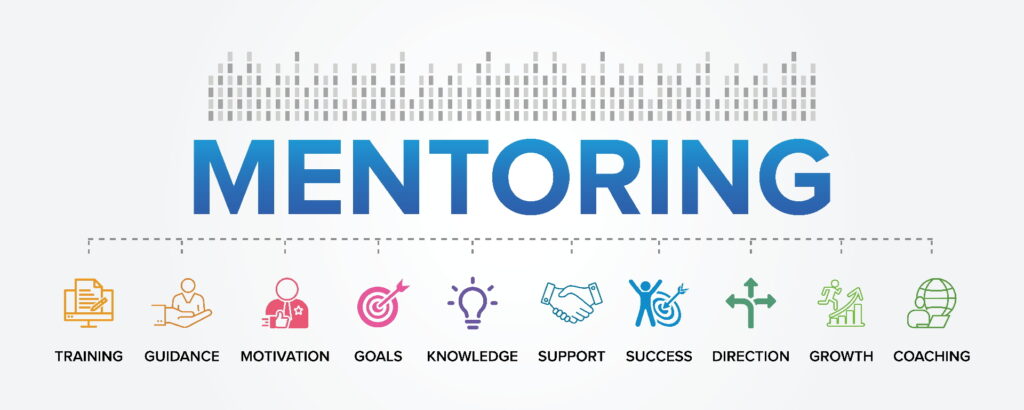


 Personalized Coaching – SALA Advisors provides personalized coaching tailored to your leadership team’s unique needs and goals. Our experienced advisors work closely with each leader to develop their strengths, address challenges, and enhance their leadership capabilities. We provide constant feedback and evaluation to ensure ongoing growth and improvement.
 Investing in Your Leadership Team – SALA Advisors provides the tools and support to ensure your leaders achieve their full potential by offering comprehensive leadership development programs that cover a wide range of skills and competencies, providing opportunities for leaders to mentor and be mentored, and encouraging them to pursue professional growth opportunities, such as conferences, workshops, and advanced degrees.

 Genuine Relationships: We prioritize building genuine relationships with our clients, connecting with them to understand their unique needs and goals. Our focus on authentic connections helps establish trust and rapport, enhancing the effectiveness of our coaching and consulting services.
 Exceptional Mentoring: We set high standards for our mentoring and consulting services, strive to deliver outstanding quality in all our interactions and commit to continuously improving our services.
 Introduction: Emeritus Vice President L. David Eaton’s career as college and university administrator spans more than four decades, the first 23 years in the field of student affairs and most recently, 22 years as the Vice President for Enrollment Management at the State University of New York at New Paltz, a position he held until his retirement on December 31st, 2020.
 Comments:
  Comments: Recruiting college students in a highly competitive market has a negative impact on yield. This is primarily because today’s college bound apply to multiple colleges and will only enroll at one. Systems, like SUNY, allow applicants to apply to up to seven campuses on a single application. The Common Application promotes multiple applications as well. This inflates application numbers which, in turn, reduces yield.
 Comments: It is important for all professionals to have a mentor. Mentors influenced and enhanced our own careers from our entry level positions, through middle management, to executive level jobs. Mentors can be former colleagues, colleagues, supervisors, former supervisors, friends, and executive coaches. Twenty-two years as a vice president for enrollment management with an exceptionally successful record, provides me with the breadth of experiences that may be useful in providing mentorship and coaching to a more junior level vice president. Furthermore, in the extremely challenging emerging enrollment management environment, enrollment management vice presidents would welcome professional coaching and mentorship.
 This Blog explores the importance of mentoring for senior academic leaders, outlining key benefits, strategies, and best practices. It aims to provide institutions with insights into how the SALA Advisors mentoring program can enhance leadership capabilities, drive institutional excellence, and foster a culture of continuous improvement.
 Establish Clear Objectives

 A compelling vision is essential for guiding an institution toward its future goals. SALA Advisors helps you articulate a clear and inspiring vision and translate it into a concrete strategic plan.
 Comprehensive institutional planning ensures that all aspects of your institution align with your mission and vision. SALA Advisors assists in developing thorough plans that cover every facet of your institution.


 Progress Tracking